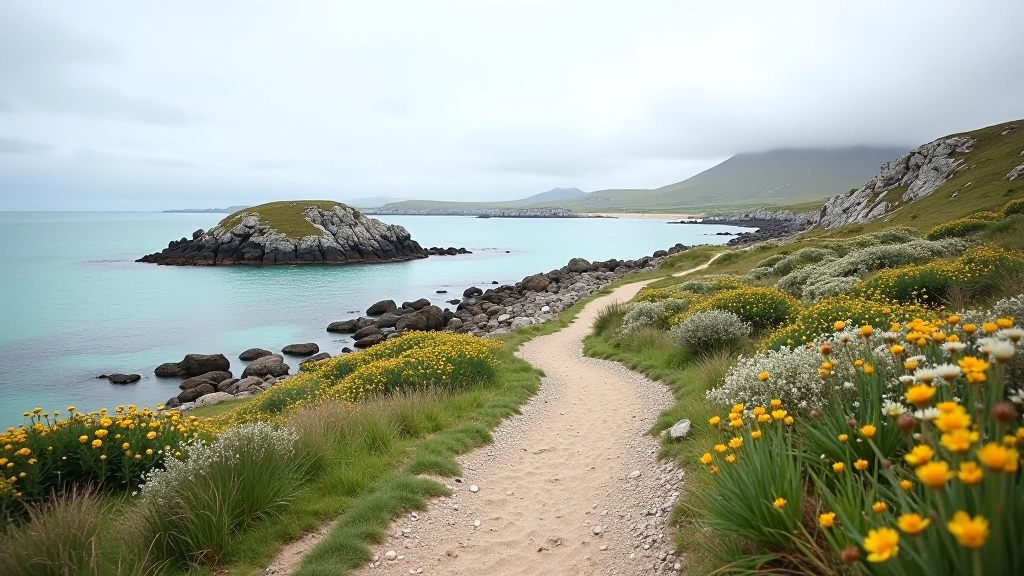

Coastal walks around Galway demand respect for the elements. Wind, salt spray, uneven terrain, and changing weather aren't just inconveniences — they're real conditions you'll face. The right gear makes the difference between a wonderful afternoon and a miserable slog back to the car.
This isn't about looking fancy. It's about staying dry, comfortable, and safe when you're out on the strand at Omey Island or walking the rocky shores of Connemara. We'll walk you through exactly what works.
Layering: The Core Strategy
Forget the idea that you need one perfect jacket. What you really need is three layers working together — and you can adjust them as you move.
Base Layer
Start with merino wool or synthetic moisture-wicking fabric. Cotton absorbs sweat and stays wet — not ideal when temperatures drop. A long-sleeve merino top (around €30-50) keeps you warm even if damp and dries quickly. You'll notice the difference after 20 minutes of walking.
Mid Layer
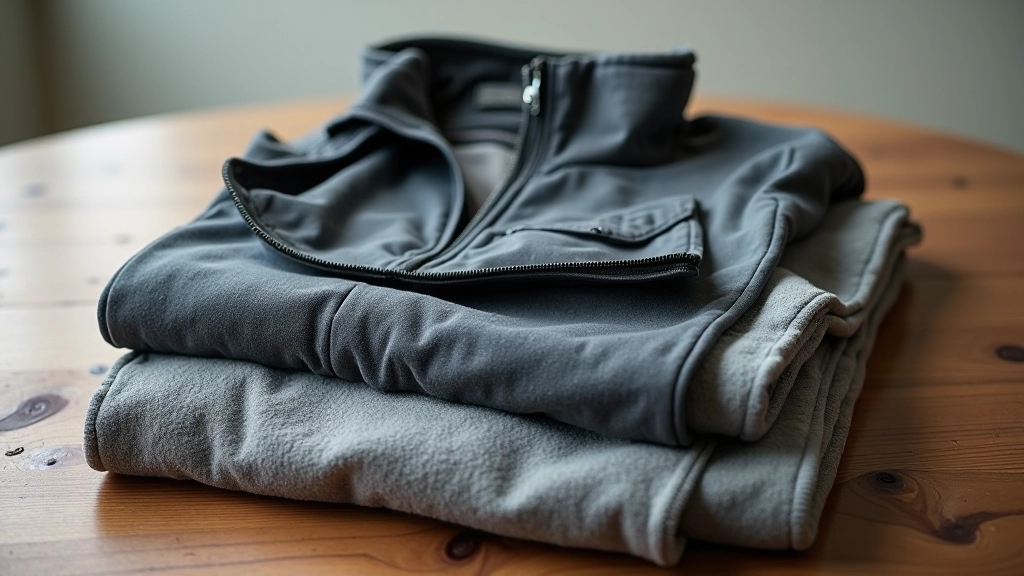
Fleece or lightweight wool does the insulating. A mid-weight fleece jacket traps warmth without adding bulk. Bring one that's easy to pack — you might shed it after 30 minutes or put it back on if wind picks up.
Outer Layer
Your windproof, waterproof shell is non-negotiable. Coastal winds aren't gentle, and spray comes off the water constantly. A proper breathable jacket (brands like Craghoppers or Regatta cost €60-120) keeps salt spray out while letting sweat escape. Avoid plastic rain macs — they trap moisture inside.
Footwear That Won't Let You Down
Your feet are everything on a coastal walk. Sand, rocks, wet seaweed, muddy sections — you need boots that handle all of it.
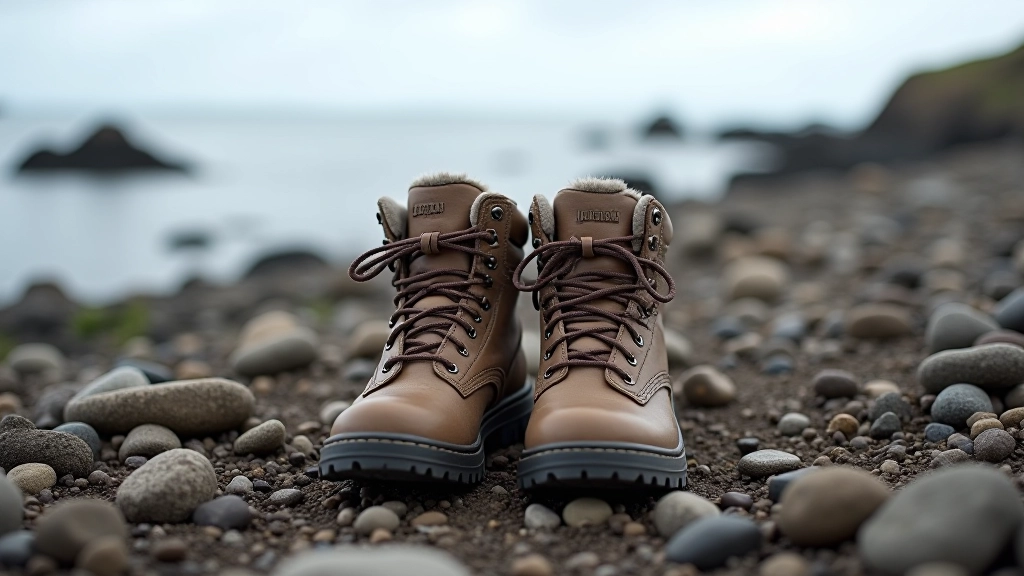
Proper hiking boots (not trainers) give ankle support on uneven ground and keep water out when crossing shallow pools at Omey Island. Look for boots rated waterproof with a good tread pattern. Merrell, Salomon, and Scarpa make solid options in the €80-150 range. Don't cheap out here — blisters and wet feet ruin the experience fast.
Bring thick hiking socks (merino blend works best). Cheap thin socks cause blisters. You'll need at least two pairs in case one gets damp. Pack them in a waterproof bag so they stay dry if you cross deeper water.
Consider gaiters too — they're inexpensive (€15-25) and stop sand and water pouring into your boot tops. On the strand at Omey, they're honestly worth their weight.
Important Note
This guide provides general information about clothing and gear for coastal walks. Conditions vary significantly based on weather, tide times, and specific locations. Always check tide tables, weather forecasts, and local conditions before heading out. If you're unfamiliar with coastal navigation or tidal safety, consider walking with a local guide or experienced group. Coastal areas can change rapidly — your safety comes first.
Accessories That Actually Matter
The small items often make the biggest difference. Here's what goes in your pack.
Hat and Gloves
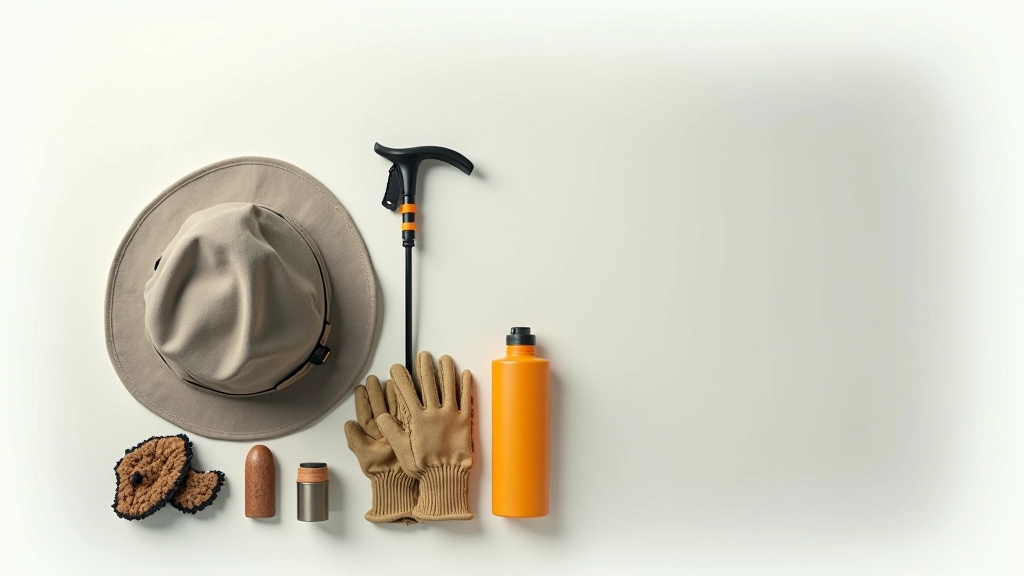
You lose heat through your head and hands quickly. A windproof hat keeps salt spray out of your face and maintains warmth. Waterproof gloves (not cotton) keep your hands functional when they're wet.
Sunscreen and Lip Balm
Reflection off water and sand intensifies UV exposure. Bring high SPF sunscreen (SPF 50+) and apply it before you start. Coastal wind dries lips fast — SPF lip balm prevents painful chapping.
Waterproof Bag or Dry Bag
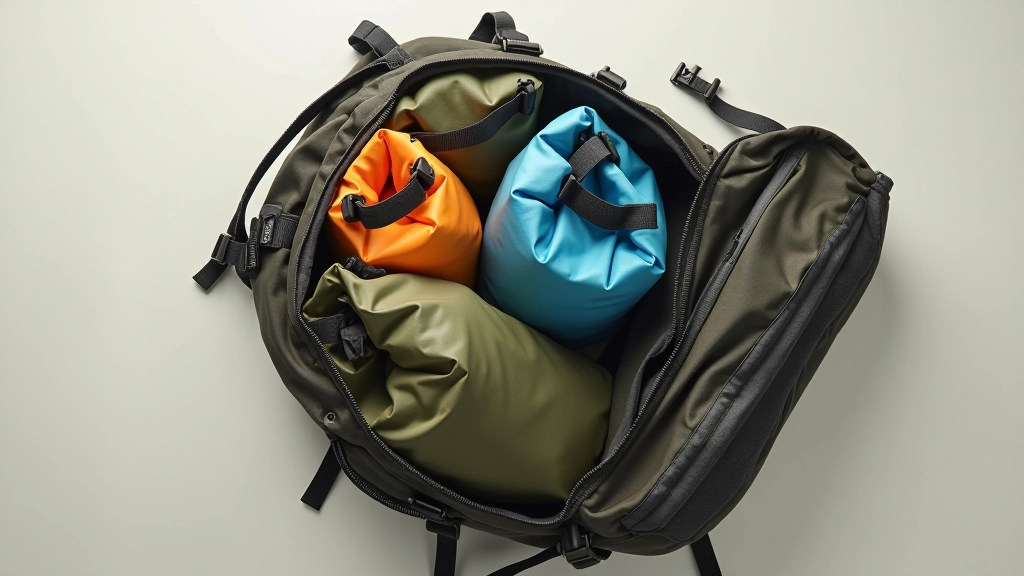
Phone, wallet, keys — these need protection. A simple dry bag (€10-20) keeps essentials safe if you cross water or get caught in spray. Zip-lock bags work in a pinch but aren't reliable.
Walking Poles
Not just for mountain hiking. Poles reduce impact on uneven rocky terrain and help you cross deeper sections safely. They're especially useful if you're managing balance issues or recovering from injury.
What Actually Goes in Your Pack
A 20-25 litre backpack is plenty for a half-day walk. You're not climbing mountains, just staying comfortable for 2-3 hours.
Pack smart: heavier items (water bottle, snacks) sit close to your back. Put your mid-layer fleece and hat somewhere accessible — you'll want to grab them quickly if weather changes. Keep your phone and any medications in the waterproof bag. Bring two litres of water minimum (more if it's warm). A small snack like energy bars or dried fruit helps maintain energy without weighing you down.
Don't overpack "just in case" items. You're not trekking for a week. A small first-aid kit, whistle, and a basic map of the area are enough. Most walks in Connemara have mobile signal, but don't rely on it completely.
Getting Started
You don't need to spend a fortune on fancy gear. Good waterproof jacket, decent hiking boots, and proper layers do 90% of the work. Start with these essentials and add pieces as you discover what you actually need for your style of walking.
The real test is getting out there. Weather in Galway changes constantly, but that's part of the charm. With the right gear, you'll be comfortable enough to enjoy it. Whether it's the sand crossing at Omey or the rocky paths of Connemara, you'll walk with confidence knowing you're properly prepared.
Ready for Your Next Walk?
Explore detailed route guides and learn about tide safety before you head out.
Explore Walking Routes