Why Tides Matter on Your Walk
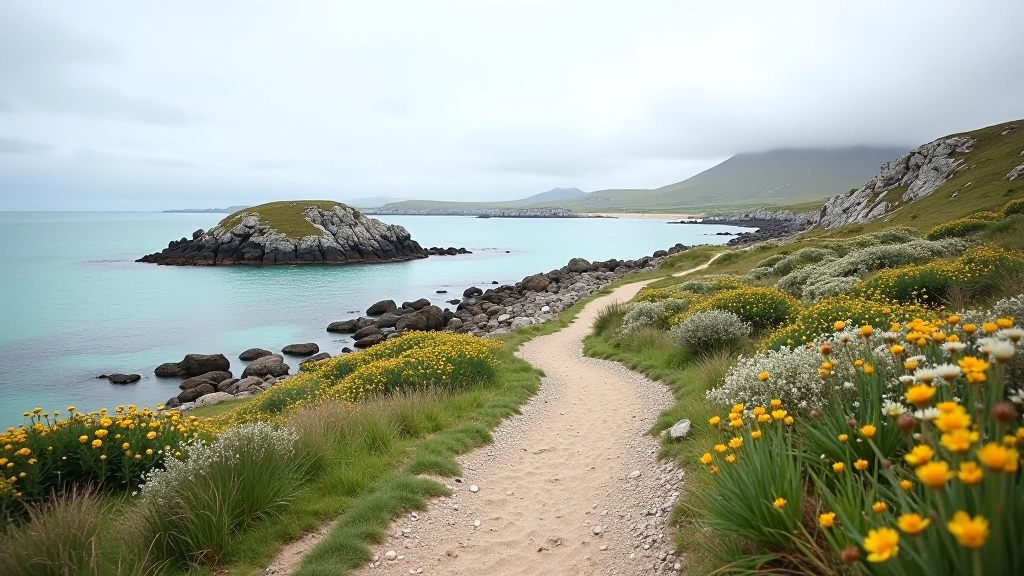
The tides don't care about your schedule. They rise and fall twice a day, reshaping the entire landscape beneath your feet. On Omey Island and along the Connemara shoreline, understanding tides isn't optional — it's essential for a safe, enjoyable walk.
Here's the thing: the sand causeway to Omey Island disappears underwater when the tide comes in. You're not trapped (that's a common myth), but you do need to plan around it. Same goes for the rocky sections along the shoreline — some paths that're passable at low tide become impassable at high water.
Safety First: This article provides educational information about tides and coastal walking. Always check current tide tables, weather conditions, and local advisories before heading out. If you're unfamiliar with the area, consider walking with a local guide or experienced group. Conditions vary significantly based on season and weather.
The Basics: How Tides Work
Tides are caused by the moon's gravitational pull on Earth's oceans. You get two high tides and two low tides roughly every 24 hours and 50 minutes. That extra 50 minutes means tide times shift forward by about 50 minutes each day — important when you're planning your walk.
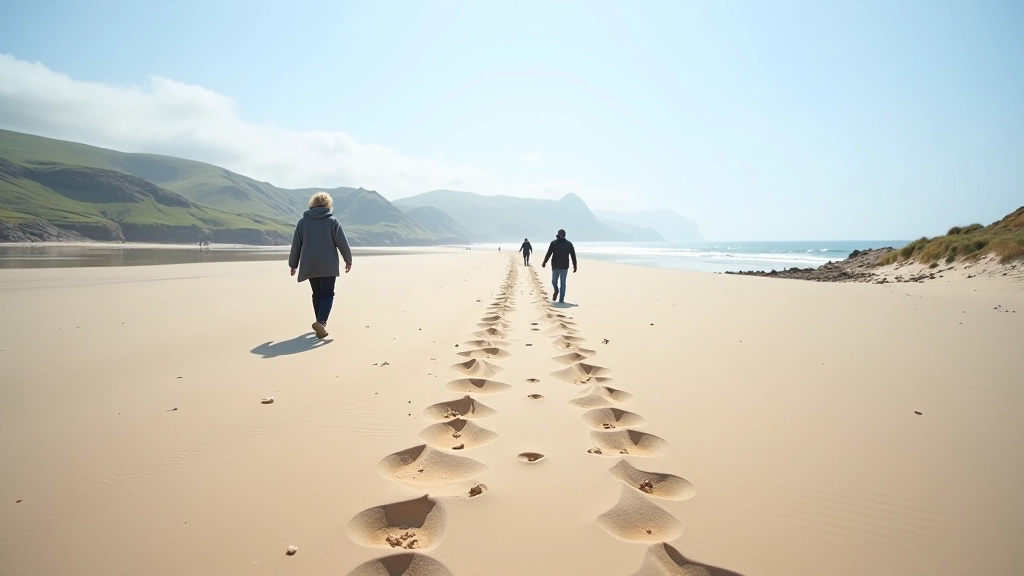
In Galway Bay, the tidal range (the difference between high and low water) can be 4-5 meters. That's substantial. A beach that's completely exposed at low tide can be significantly covered at high water. The causeway to Omey Island is about 2km long and 100 meters wide at its narrowest. At low tide, you've got plenty of solid sand. At high tide, it's underwater.
Key Terms You'll See
- Low water (LW) — the lowest point the tide reaches
- High water (HW) — the highest point the tide reaches
- Slack water — the brief period when the tide stops changing
- Neap tide — smallest tidal range (happens twice monthly)
- Spring tide — largest tidal range (happens twice monthly)
When Is It Safe to Cross?
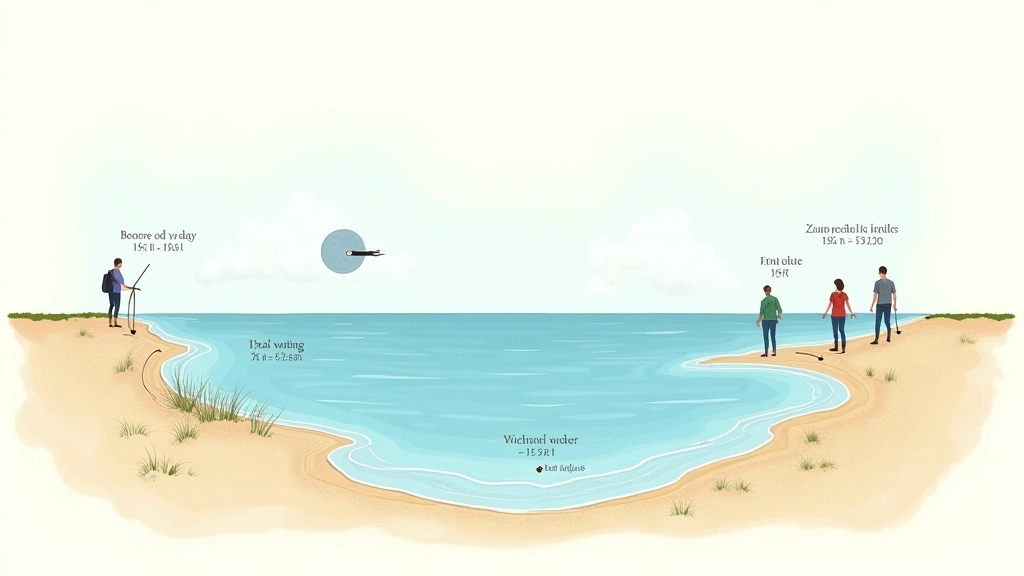
The golden rule: cross at least 2 hours after low water, and you've got about 3-4 hours before the water gets high again. That window varies depending on the specific location and the tidal range on that particular day.
For Omey Island specifically, you want to go within 2-3 hours of low tide. Check the tide tables the morning of your walk. If low tide is at 10:00 AM, you're safe crossing from noon until around 3:30 PM. Don't be cutting it close — conditions change faster than you'd expect, and weather can affect water levels too.
Red Flags to Watch
Don't cross if you see the water rising visibly. Don't cross in fog if you can't see the far shore clearly. Don't cross alone if you're unfamiliar with the route. Wind and storms can push water higher than predicted.
Planning Your Coastal Walk
Proper planning means checking three things: the tide table, the weather forecast, and your own energy levels. You're not in a rush. Most coastal walks in Connemara are moderate — the issue isn't difficulty, it's timing.
Get the tide tables. Seriously. Visit Tide-Forecast.com or download a tide app. Look at the specific location (Omey Island, not just "County Galway"). Note both the time and the height of low water. If low water is 0.5 meters or less, you'll have less exposed sand. If it's 3-4 meters, you've got plenty of room.
A Simple Checklist
- Check tide tables for your specific location the morning of your walk
- Plan to start your crossing 1-2 hours after low tide
- Allow 1.5-2 hours minimum for the crossing (don't rush)
- Check the weather forecast — especially wind and rain
- Tell someone where you're going and when you'll be back
- Wear proper footwear — sand is firmer than it looks but still soft
- Bring water and snacks — you're walking on sand, not paved paths

What If You're Caught Out?
First, don't panic. It happens. The water's not flowing fast enough to sweep you away — it's rising, not rushing. You've got options.
If you're on the causeway and notice water rising faster than expected, keep moving toward the nearest shore. Don't turn back if you're already halfway across — you'll reach higher ground faster going forward. Stay on the firmer, wetter sand near the waterline — it's harder than the dry sand above.
If you're on a rocky section and the tide comes in, move to higher rocks. Find a spot above the high tide line — usually marked by seaweed and debris. Wait it out. The tide will turn eventually. It won't stay high forever. A full tide cycle takes about 6 hours. You might be there 2-3 hours before you can safely return.
Prevention Is Better
Honestly, if you're crossing the causeway and you're not confident about the timing, it's fine to not go that day. There's always another day. The tide will be right again tomorrow.
Tide Resources and Tools
You don't need to become a tidal expert. Just use the right tools and check them before you go.
Tide Forecast
Free tide tables for specific locations. Search "Omey Island" or "Connemara" and get exact times and heights for your walk date.
Local Tourist Office
Connemara Tourist Information Centre has printed tide tables and local advice. They can also recommend guided walks if you want expert company.
Mobile Apps
Apps like "Tides Near Me" or "UK Tides" work anywhere with internet. Download tide data before you leave if you're in a low-signal area.
Irish Coastguard
For emergencies or safety concerns, the Irish Coastguard has detailed coastal information and can advise on specific routes.
The Bottom Line
Tides aren't complicated once you understand them. They're predictable. They follow a rhythm. Check the table. Plan your timing. Do a quick weather check. Then go enjoy one of the most beautiful walks in Ireland.
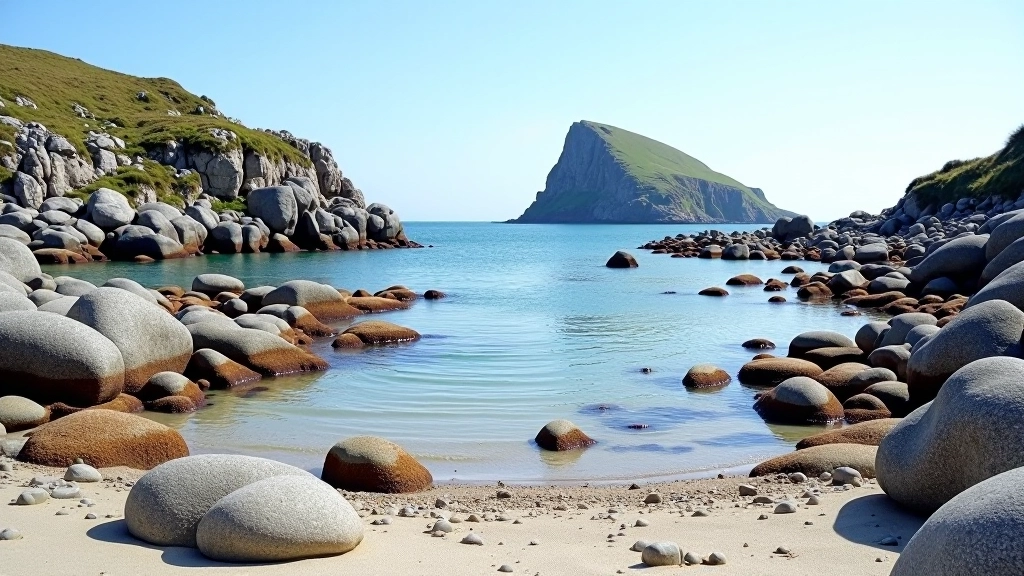
Omey Island and the Connemara shoreline aren't dangerous — they're magical. The combination of sand, rocks, sea, and sky creates something you won't find on a regular hill walk. Respect the tides, and you'll have an experience you'll remember for years.